Introduction
If you’re heading to Switzerland, you probably already know about the chocolate and the cheese — but here’s something that might surprise you: Switzerland produces some genuinely wonderful wines, and almost none of them ever leave the country. About 98% of Swiss wine is consumed right where it’s made, with only around 1-2% ever exported. The country produces roughly 100 million liters a year — respectable, but tiny by global standards, which is exactly why so little makes it past the border. That means the glass of Chasselas you sip on the sun-drenched terrace above Lake Geneva? You simply cannot get that back home. That alone makes exploring Swiss wine one of the most rewarding things you can do as a traveler.
From the terraced vineyards of Lavaux — a UNESCO World Heritage Site — to the sun-baked slopes of Valais, Switzerland’s wine regions are as beautiful as the wine is distinctive. Whether you’re a casual wine drinker or someone who takes their glass seriously, this guide will point you to the best bottles to try and the best places to find them.
What You’ll Find in This Guide
- Why Swiss wine is nearly impossible to find outside Switzerland (and why that matters)
- The key regions: Valais, Vaud/Lavaux, Geneva, and Eastern Switzerland
- The top wineries and bottles to try, with tasting notes and pairing tips
- Where to buy Swiss wine — supermarkets, wine shops, and directly from estates
- Souvenir-worthy bottles worth packing in your luggage
Wine Culture in Switzerland: A Quick Overview
Switzerland is a small country with a surprisingly serious wine culture. The main white grape is Chasselas — a variety that’s almost extinct in the rest of the world but absolutely thrives here, producing wines that are crisp, mineral-driven, and refreshing in a way that’s hard to describe until you taste one. In the French-speaking west, it’s often called Fendant (especially in Valais). Pinot Noir is the dominant red, particularly in Valais and Graubünden, though you’ll also find Gamay, Merlot (in Italian-speaking Ticino), and some rare indigenous varieties.
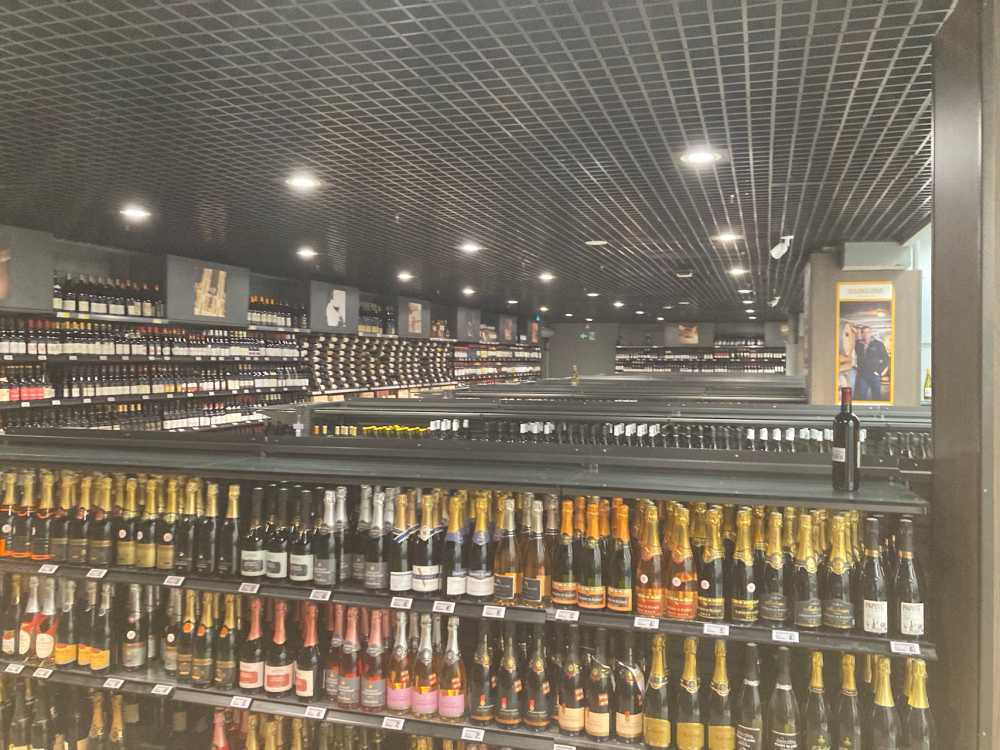
The easiest place to buy Swiss wine is Coop, whose supermarkets carry a solid selection including regional labels you won’t find in tourist shops. (One famous Swiss quirk: Migros, the country’s other big supermarket, sells no alcohol at all — more on that below.) Restaurants and hotel bars almost always stock local wines, and many wineries in Lavaux and Valais are open for tasting visits if you’re willing to venture off the main tourist trail. Prices are fair by Swiss standards: a decent bottle runs CHF 10–20 at the supermarket, while a quality estate wine might be CHF 25–40.
Best Swiss Wines to Try
Provins
Provins is Switzerland’s largest wine producer, and it’s a great starting point for anyone new to Swiss wine. Based in Valais — the country’s biggest wine region — they produce a wide range of styles, from clean and easy-drinking Chasselas whites to Pinot Noir and Gamay rosés that are perfect for a long lunch on a sunny terrace. What makes Provins especially useful for travelers is that their bottles are everywhere: you’ll find them at Coop and in restaurants across the country.
The Chasselas (often labeled as Fendant) is the one to try first — it’s light, crisp, and slightly floral, with a gentle minerality that pairs beautifully with Swiss cheese fondue or a simple plate of charcuterie. It’s the kind of wine that makes you understand why the Swiss don’t want to share it with the rest of the world. If you like versatile, crowd-pleasing whites, Provins delivers every time. A reliable go-to, and an ideal introduction to what Valais is all about.
| Spec | Details |
|---|---|
| Style | White / Rosé / Sparkling |
| ABV | Varies by label |
| Winery | Provins Valais SA |
| Founded | 1930 |
| Availability | ★★★ (Available everywhere) |
Henri Badoux
Henri Badoux is one of those wineries with an immediately recognizable label — a little lizard, which has become something of a Swiss wine icon. The estate is based in Aigle, in the Vaud region, where the limestone-rich soils give the Chasselas a distinctly mineral, almost chalky edge that sets it apart from the softer Valais style. If you’ve tried Chasselas from Provins and want to go a step deeper, Henri Badoux is the next bottle to reach for.
The whites are fresh and lively with good acidity — excellent with fish, seafood, or a plate of raclette. They also make a dry sparkling wine that punches well above its price point. This is one of the best souvenirs you can take home from Switzerland: the lizard label is distinctive, the wine travels well, and it’s the kind of bottle that will genuinely impress wine-curious friends back home. Look for it in Coop and wine shops throughout the Vaud region.
| Spec | Details |
|---|---|
| Style | White / Red / Sparkling |
| ABV | Varies by label |
| Winery | Henri Badoux |
| Founded | 1908 |
| Availability | ★★★ (Available everywhere) |
Louis Bovard
If you want to try the most celebrated expression of Swiss Chasselas, Louis Bovard is the name to know. The estate sits in Lavaux — those breathtaking terraced vineyards cascading down to Lake Geneva that you’ve probably seen in travel photography. This is a UNESCO World Heritage Site, and the wines reflect every bit of that extraordinary terroir.
The flagship is the Dézaley Grand Cru, a Chasselas with real complexity: mineral and precise, with a long finish and layers that unfold as it warms in the glass. It’s not a casual weeknight wine — it’s something you open when you want to remember where you were and what you tasted. If you’re visiting Lavaux (which you absolutely should), consider stopping at the estate for a tasting. The Dézaley Grand Cru also makes an exceptional gift for serious wine lovers: it’s Swiss, it’s rare, and it tells a story that few bottles in the world can match. Don’t miss this one.
| Spec | Details |
|---|---|
| Style | White (Chasselas) |
| ABV | Varies by label |
| Winery | Domaine Louis Bovard |
| Founded | Historic estate |
| Availability | ★★ (Widely available at estate and select retailers) |
Domaine Les Hutins

Domaine Les Hutins is a small family winery in the Geneva canton, and it’s the kind of discovery that makes independent travel so rewarding. This is the kind of bottle you’d only find by asking — a Geneva local pointed us toward it at a supermarket in the city, insisting it was worth trying over the bigger names on the shelf. You won’t find this label splashed across tourist-facing displays; it’s a genuine local favorite. The wine itself is a dry, light-bodied Chasselas that’s effortlessly easy to drink: clean, subtle, with just enough freshness to keep you reaching for another glass.
We tried it the way locals do — alongside a raclette dinner — and the pairing made sense immediately: the wine’s dryness cuts right through the richness of the melted cheese and resets your palate beautifully. If you’re spending time in Geneva and want to drink like a local, this is the bottle to seek out at a supermarket or specialty wine shop. It’s not about prestige; it’s about getting something genuinely good that feels connected to the place you’re visiting.
| Spec | Details |
|---|---|
| Style | White (Chasselas) |
| ABV | Varies by label |
| Winery | Domaine Les Hutins |
| Founded | Family estate |
| Availability | ★★ (Widely available in Geneva region) |
Ostschweizer Landwein Riesling-Sylvaner

Eastern Switzerland doesn’t get nearly as much attention as Valais or Lavaux, but the wines produced here are worth knowing about — especially if you’re traveling on a budget or just want something refreshing and no-fuss. This particular bottle was a total gamble: picked off the supermarket shelf on label design alone, with no real expectations. It turned out to be one of the better surprises of the trip. The Riesling-Sylvaner (also known as Müller-Thurgau elsewhere) grown in this region produces a light, fruity white with bright apple notes and an easy-going character that’s perfect for a warm afternoon.
You’ll find it under the Ostschweizer Landwein label at a very reasonable price in supermarkets across German-speaking Switzerland — this is everyday drinking wine done right. Chill it properly and it comes alive: crisp, slightly floral, and completely unpretentious. It won’t blow you away, but it’ll make you happy, and it’s proof that some of the best budget finds in Swiss wine come down to a bit of luck. If you’re in Zurich or anywhere in German-speaking Switzerland and want a local bottle that won’t break the bank, this is your pick.
| Spec | Details |
|---|---|
| Style | White (Riesling-Sylvaner / Müller-Thurgau) |
| ABV | Varies by producer |
| Producer | Various Eastern Switzerland producers |
| Founded | — |
| Availability | ★★★ (Available at supermarkets in Eastern Switzerland) |
Where to Buy and Try These Wines
The most practical place to buy Swiss wine is Coop, Switzerland’s main supermarket chain for wine. It carries a strong selection of regional bottles, including some estate wines you’d otherwise have to visit the winery to find. Prices are transparent, the staff are often knowledgeable, and you can pick up a good bottle for CHF 12–25 without any effort.
Wine shops (Weinhändler in German, caviste in French) are the next step up — they stock harder-to-find labels and the staff can point you toward what’s currently drinking well from a specific region.
For a more memorable experience, head to Lavaux on the northern shore of Lake Geneva: the Route du Vignoble walking trail passes directly through working vineyards, with tasting rooms open on weekends at many estates. In Valais, the town of Sierre is considered the wine capital of the region and is well worth an afternoon stop. Most wine bars and restaurants in Switzerland list local wines by the glass — it’s usually the most affordable and satisfying way to work through several styles in one sitting.
Frequently Asked Questions
What is the most popular wine in Switzerland?
Chasselas is Switzerland’s most iconic grape variety, producing light, mineral-driven white wines that are the everyday drink of choice in the French-speaking regions. In Valais it’s called Fendant. Provins is the most widely available producer, making it the most accessible starting point for visitors.
Why can’t I find Swiss wine at home?
Around 98% of Swiss wine is consumed domestically — the country simply doesn’t produce enough surplus to export in meaningful quantities, and what is exported goes at prices that reflect that scarcity. This is what makes drinking Swiss wine in Switzerland such a worthwhile experience: it’s genuinely something you can only get there.
What Swiss wine makes the best souvenir?
Henri Badoux’s lizard-label Chasselas and Louis Bovard’s Dézaley Grand Cru are both excellent choices for gifts or personal souvenirs. Both travel well, have distinctive packaging, and tell a clear story about Swiss wine culture. Wrap them carefully and they’ll make it home in one piece.
Which Swiss wine region should I visit as a traveler?
Lavaux, on the shores of Lake Geneva between Lausanne and Montreux, is the most visually stunning and easiest to visit — the terraced vineyards are a UNESCO World Heritage Site and accessible by train or on foot. Valais, further east, offers a broader range of styles and a more rustic, agricultural atmosphere. Both are worth a half-day if your schedule allows.