Introduction
If you’re heading to the Netherlands, you’re in for a treat — and not just for the tulips and canals. The Dutch take their beer seriously, and there’s a whole world of local brews waiting beyond the Heineken you already know from home. Imagine sitting at a canal-side terrace in Amsterdam on a warm afternoon, a cold glass of something crisp in hand, watching bikes weave past. That’s the experience this guide is here to help you find.
Whether you’re a casual beer drinker or someone who gets excited hunting down local craft ales, the Netherlands has something for you. This guide cuts straight to the good stuff — which beers to order, what they actually taste like, and where to find them on your trip.
This is our curated pick of the 10 Dutch beers most worth trying — not an official sales chart, just the household names every visitor should know alongside the craft and specialty brews locals actually seek out.
What You’ll Find in This Guide
- The most popular Dutch beer brands and what makes them worth trying
- The best craft and specialty beers to seek out locally
- What each beer actually tastes like — in plain language
- Where to buy and drink these beers when you’re in the Netherlands
- The best Dutch beers to bring home as souvenirs
Beer Culture in the Netherlands: A Quick Overview
The Netherlands is one of Europe’s great beer nations, with lager being the dominant style you’ll find on tap everywhere. Crisp, cold, and refreshing — Dutch lagers are built for easy drinking, whether you’re at a brown café (bruine kroeg), a stadium, or a beachside bar. That said, the craft beer scene has exploded over the past decade, and cities like Amsterdam, Haarlem, and Utrecht now have dedicated craft beer bars and brewery taprooms worth building your itinerary around.
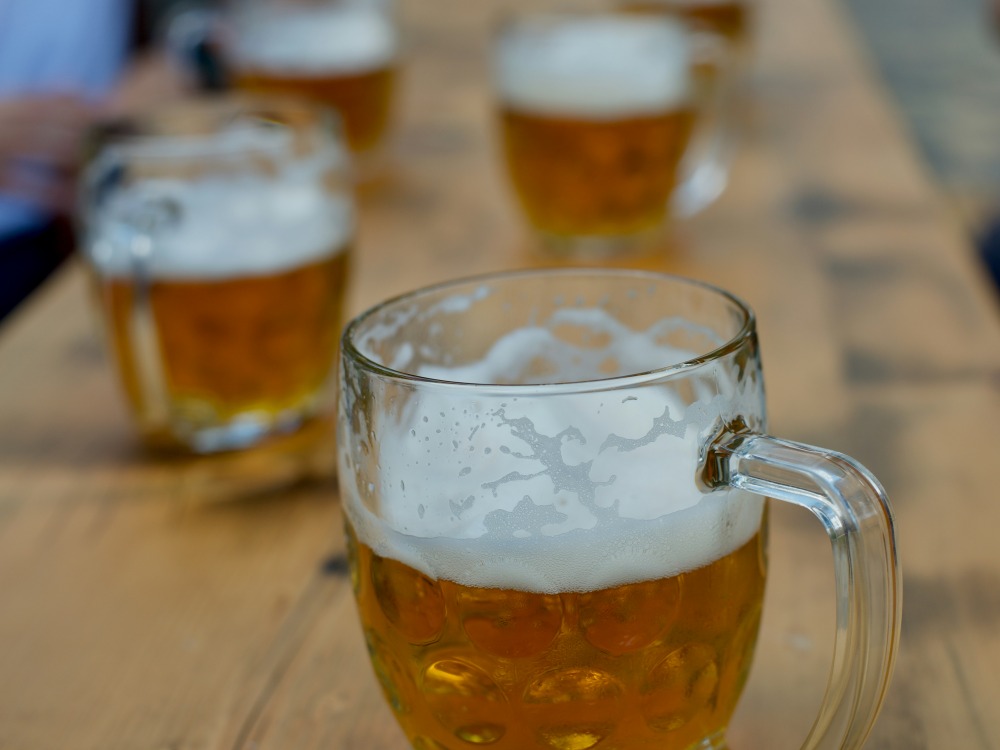
Most bars serve beer in small 25cl glasses (a “vaasje”) — don’t be surprised if your first order comes in what looks like a half-pint. It’s normal, and the fresh pour is part of the experience. Supermarkets like Albert Heijn and Jumbo stock a solid range of both mainstream and craft beers, so picking up a few bottles to take home is easy and affordable.
Best Dutch Beers to Try
Heineken
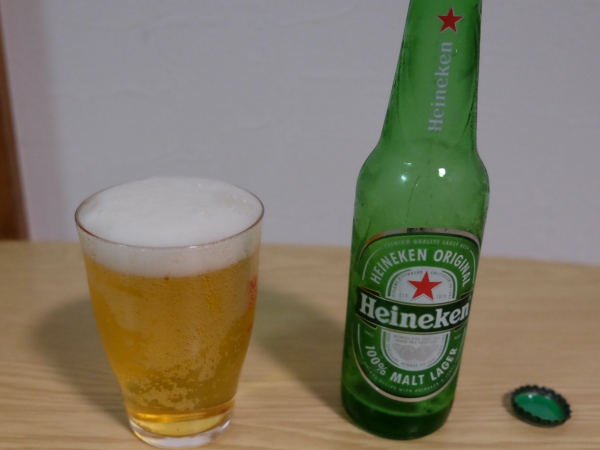
You already know the green bottle, but there’s something different about drinking Heineken on its home turf. In the Netherlands, it’s not just a beer — it’s practically a national symbol, accounting for roughly 40% of the domestic market. The freshness on tap here is noticeably better than what you get from a can thousands of miles away.
Taste-wise, Heineken is a classic European lager with a clean, crisp body and a firm, lasting bitterness. It’s not subtle, but that’s exactly the point. The bitterness cuts through rich food beautifully — pair it with bitterballen (deep-fried Dutch snacks) at a bar and you’ll understand why locals love it. It’s refreshing on a hot day, satisfying after a long walk through the city, and universally available. A must-order at least once while you’re here — if only to compare it to the version you get back home.
| Spec | Details |
|---|---|
| Style | Lager |
| ABV | 5.0% |
| Brewery | Heineken N.V. |
| Founded | 1864 |
| Popularity | ★★★ (Available everywhere) |
Amstel
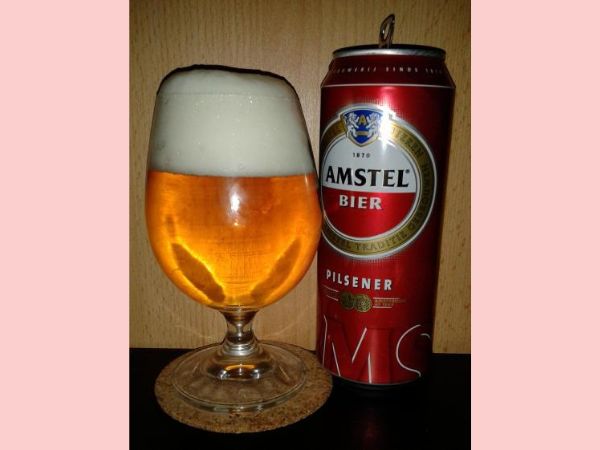
Amstel is Heineken’s quieter, smoother sibling — born in Amsterdam in 1870 and still going strong. If Heineken’s bitterness is a bit much for you, Amstel is your answer. It’s a clean, mild lager that goes down easily without demanding your full attention, which makes it perfect for long, lazy afternoons at a terrace café.
The flavour is lighter and rounder than Heineken — less aggressive bitterness, more of a gentle malt sweetness that fades cleanly. Think of it as the kind of beer you can drink two or three of without noticing, which is either a warning or a recommendation depending on your plans. You’ll spot it on tap across the country, especially in Amsterdam. Great if you want something dependable and refreshing that pairs with almost any food — from seafood to a simple sandwich.
| Spec | Details |
|---|---|
| Style | Lager |
| ABV | 5.0% |
| Brewery | Heineken N.V. |
| Founded | 1870 |
| Popularity | ★★★ (Available everywhere) |
Grolsch
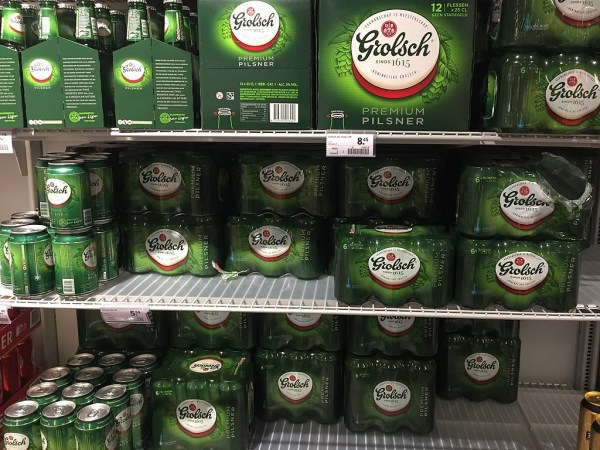
Grolsch is the one you reach for when you want a bit more character. It’s drier and more assertive than Heineken or Amstel, with a pronounced hop bitterness and a firm, slightly herbal finish that craft beer fans will immediately appreciate. If you like your lager with some backbone, this is it.
The iconic swing-top bottle (the kind with the ceramic stopper) is reason enough to pick one up — it’s practical, reusable, and makes for a great souvenir even after the beer is gone. Grolsch holds around third place in the Dutch market, so you’ll find it reliably at supermarkets and many bars. It’s a great choice with grilled meat or stronger-flavoured dishes that can stand up to the hop bite. Don’t miss it if you want to try something with a little more punch than the standard Dutch lager.
| Spec | Details |
|---|---|
| Style | Premium Lager |
| ABV | 5.0% |
| Brewery | Grolsch Brewery |
| Founded | 1615 |
| Popularity | ★★ (Widely available) |
Hertog Jan
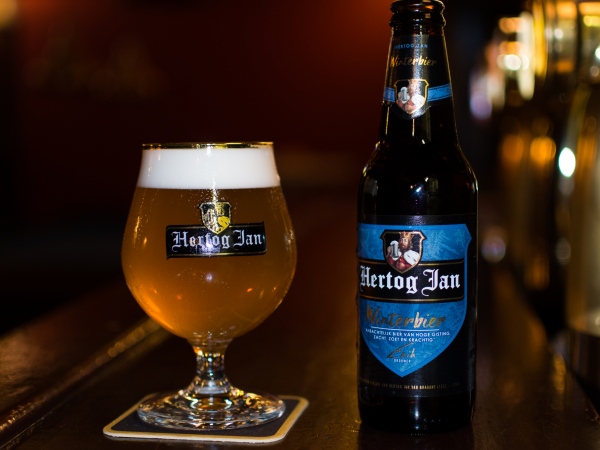
Hertog Jan is where Dutch brewing gets interesting. This isn’t your average session lager — it’s a brand with genuine range, producing everything from golden pilsners to wheat beers, bock beers, and rich dark ales. If you enjoy exploring different beer styles, Hertog Jan is worth seeking out at a specialty beer shop or café.
The flagship lager is fuller-bodied and more satisfying than the big national brands, with a noticeable malt depth and a clean finish. But the real highlight is the Grand Prestige — a bottle-conditioned dark ale that develops complex layers of dried fruit, toffee, and warmth as it sits. If you’re a fan of Belgian-style strong ales or British barleywines, this is your Dutch equivalent. Order it with cheese or a hearty winter stew. It’s the kind of beer that turns an ordinary dinner into something memorable.
| Spec | Details |
|---|---|
| Style | Pilsner / Dark Ale (various) |
| ABV | 5.1% (flagship lager) |
| Brewery | Hertog Jan Brouwerij |
| Founded | 1915 |
| Popularity | ★★ (Widely available) |
Brand
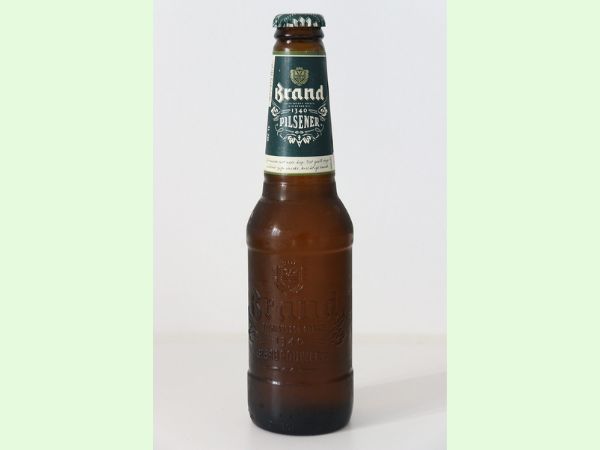
Brand is a southern Dutch institution — particularly popular in Limburg province, where you’ll spot it in virtually every bar and restaurant. It’s the kind of local beer that regulars drink without thinking twice, which is usually a good sign.
The pilsner is approachable and well-balanced, with a toasty malt character that gives it more warmth than a standard light lager. The dark varieties are where Brand really shines — roasted, biscuity, and deeply satisfying without being heavy. If you’re spending time in Maastricht or the southern Netherlands, make a point of ordering Brand on tap. It tastes better in its home region, the way all regional beers do. A solid, unpretentious choice that rewards you for going slightly off the tourist trail.
| Spec | Details |
|---|---|
| Style | Pilsner / Dark (various) |
| ABV | 5.0% |
| Brewery | Brand Bierbrouwerij |
| Founded | 1871 |
| Popularity | ★★ (Widely available) |
Bavaria
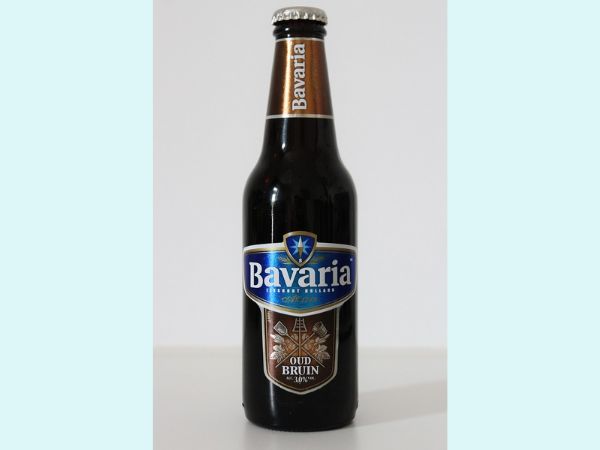
Bavaria (the Dutch brewery, not the German region) is the country’s leading independent brewer, and it covers all the bases. The standard pilsner is light, dry, and clean — great for a hot day without much fuss. But Bavaria’s biggest claim to fame in the Netherlands is its non-alcoholic beer range, which is genuinely good and widely drunk by locals at lunch, sporting events, or any time they want the experience without the alcohol.
If you’re driving, pregnant, or just pacing yourself on a long day of sightseeing, Bavaria 0.0% is the best non-alcoholic option you’ll find at virtually any supermarket or café. It actually tastes like beer — crisp, slightly malty, with a clean finish. The fruit-flavoured versions (lemon, grapefruit) are refreshing and popular in summer. For drinkers, the regular pilsner is easy and enjoyable. Either way, Bavaria is a brand worth knowing.
| Spec | Details |
|---|---|
| Style | Pilsner (also non-alcoholic range) |
| ABV | 5.0% (pilsner) / 0.0% (non-alcoholic) |
| Brewery | Bavaria N.V. (Royal Swinkels Family Brewers) |
| Founded | 1719 |
| Popularity | ★★ (Widely available) |
La Trappe
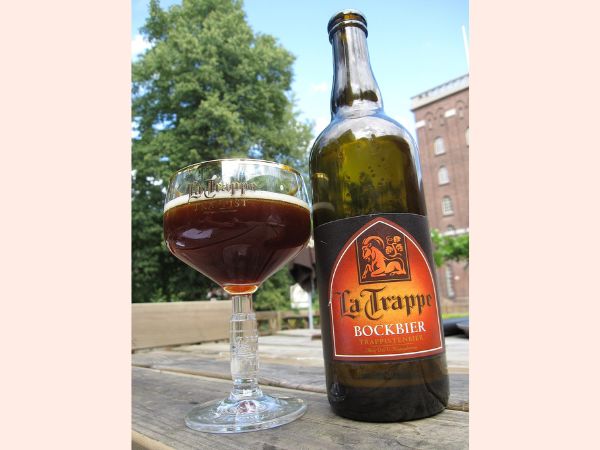
La Trappe is in a category of its own — it’s the only Dutch Trappist beer, brewed by monks at the Koningshoeven monastery in North Brabant and certified as an Authentic Trappist Product. There are only a handful of certified Trappist breweries in the world, and visiting or tasting one of their beers is a genuinely special experience.
The range covers everything from a bright, drinkable Blond to the Tripel (golden, fruity, warming at 8%) and the extraordinary Quadrupel — dark, rich, layered with dried fruit, chocolate, and a boozy warmth that demands you slow down and pay attention. If you enjoy Belgian Trappist ales like Westmalle or Chimay, La Trappe is right in that world but with its own Dutch character. Pick up a bottle at a specialty beer shop, or better yet, visit the brewery itself — it’s open to visitors and worth the detour. This is one of the Netherlands’ most distinctive beer experiences. Don’t miss it.
| Spec | Details |
|---|---|
| Style | Trappist Ale (Blond, Tripel, Quadrupel, and more) |
| ABV | 6.5–10%+ (varies by style) |
| Brewery | Bierbrouwerij de Koningshoeven |
| Founded | 1884 |
| Popularity | ★★ (Widely available in specialty shops) |
Texels
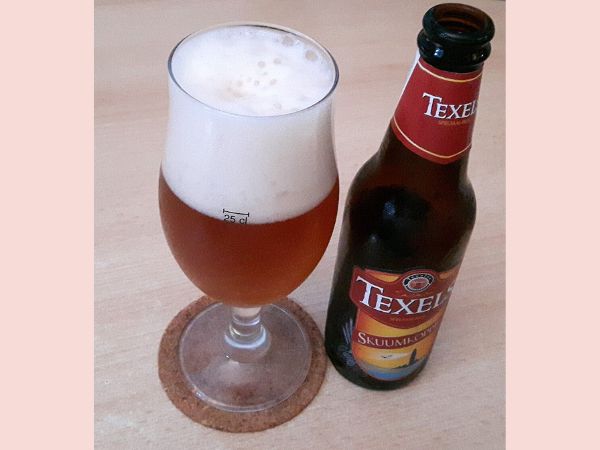
Texels comes from Texel Island, a scenic ferry ride off the northern Dutch coast — and if you’re making the trip, picking up a few bottles here is practically obligatory. The brewery’s flagship, Skuumkoppe (“Foamy Top” in local dialect), is a dark wheat beer that stands out immediately from the lager landscape. It pours a deep amber-brown with a thick, creamy head, and the aroma alone — banana, caramel, a hint of clove — tells you something interesting is happening.
On the palate it’s smooth and rounded, with the fruity sweetness of a Bavarian weizen but a richer, darker maltiness underneath. It’s the kind of beer you slow down for, not a quick thirst-quencher but a proper sit-down experience. The wave-patterned label is eye-catching and makes it a great souvenir pick. Even if you don’t make it to the island, look for Texels in specialty beer shops across the Netherlands — it’s one of the best craft beers the country produces.
| Spec | Details |
|---|---|
| Style | Dark Wheat Beer (Skuumkoppe) / Various |
| ABV | 5.5% |
| Brewery | Texelse Bierbrouwerij |
| Founded | 1999 |
| Popularity | ★ (Craft / limited — specialty shops and Texel Island) |
Jopen
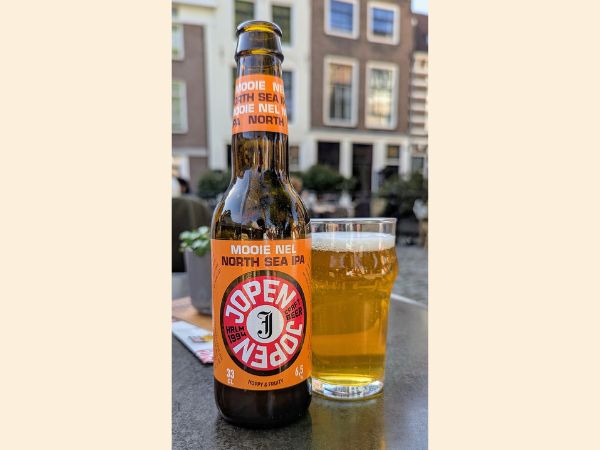
Jopen is Haarlem’s craft beer pride, and the Jopenkerk — a stunning 19th-century church converted into a brewery and restaurant — is one of the best stops on any Dutch beer itinerary. The beer is brewed on-site, you can watch the process, and drinking a glass surrounded by stained glass windows and brewing tanks is an experience you won’t forget.
The beers themselves lean toward bold, complex flavours inspired by medieval Dutch recipes — IPAs, pale ales, and seasonal specials that change regularly. Expect assertive hops, interesting spice combinations, and a distinctly craft sensibility. If you love exploring a brewery’s taproom and chatting to staff about what’s on, Jopen is your place. The colourful label designs also make bottles excellent souvenirs for beer-loving friends back home. Haarlem is just 20 minutes from Amsterdam by train — making Jopen one of the easiest and most rewarding craft beer detours you can take in the Netherlands.
| Spec | Details |
|---|---|
| Style | Craft Ale (IPA, Pale Ale, seasonal varieties) |
| ABV | 6.5% (varies by beer) |
| Brewery | Jopen Bierbrouwerij (Jopenkerk, Haarlem) |
| Founded | 1994 |
| Popularity | ★ (Craft / limited — Haarlem and specialty shops) |
Oedipus Brewing
Oedipus is Amsterdam’s most playful craft brewery — founded in 2011 by four friends brewing small batches out of kitchens and garages, now running a full taproom and brewery space in Amsterdam-Noord. Heineken took a minority stake in 2019 and acquired the brewery outright in 2023, but Oedipus has kept its own name, its own taproom, and its unmistakably experimental streak. If Jopen is about medieval-inspired tradition, Oedipus is the opposite: bold branding, experimental recipes, and a genuine sense of fun.
Their flagship, Mannenliefde, is a saison brewed with lemongrass, Szechuan pepper, and Sorachi Ace hops — spicy, citrusy, and completely unlike anything from the mainstream Dutch lager world. It’s the beer to order if you want proof that Dutch brewing has moved well beyond pilsner. More recently, Oedipus has also launched Club Canette, a sister brand of low- and no-alcohol soft drinks — part of a wider shift among Dutch breweries as beer consumption trends downward. The taproom itself, a short ferry ride from Amsterdam Centraal, is worth the trip on its own — part brewery, part creative hangout space, with regular events and a rotating tap list.
| Spec | Details |
|---|---|
| Style | Saison / Experimental Craft (Mannenliefde and rotating specials) |
| ABV | 6.0% (Mannenliefde) |
| Brewery | Oedipus Brewing (Amsterdam-Noord; part of Heineken since 2023) |
| Founded | 2011 |
| Popularity | ★ (Craft / limited — Amsterdam taproom and specialty shops) |
Where to Buy and Try These Beers
For everyday drinking, Dutch supermarkets are your best friend. Albert Heijn — the country’s largest supermarket chain — stocks Heineken, Amstel, Grolsch, Bavaria, and often Hertog Jan and Brand. Jumbo is another widely available option with a similar selection. Both chains are easy to find in city centres, transport hubs, and residential neighbourhoods. Prices are very reasonable: a six-pack of mainstream lager costs around €5–7, and a single specialty bottle might run €2–4 (approximate 2026 prices). Most supermarkets also carry a modest craft beer section where you can find La Trappe and occasionally Texels or Jopen.
For craft and specialty beers, head to dedicated bottle shops. Brouwerij ‘t IJ’s taproom (inside an Amsterdam windmill) is one of the city’s most beloved beer destinations. Beer Temple on Nieuwezijds Voorburgwal in Amsterdam stocks an impressive international and Dutch craft selection. In Haarlem, the Jopenkerk is a must-visit for both the atmosphere and the beer. Most cities now have at least one good craft beer bar — look for signs advertising “speciaalbier” (specialty beer) to find the right kind of place. At bars and restaurants, a small glass (vaasje, 25cl) typically costs €2.50–4.50, and a large glass (50cl) around €4–7 (approximate 2026 prices).
Frequently Asked Questions
What is the most popular beer in the Netherlands?
Heineken is the most popular beer in the Netherlands by a wide margin, holding roughly 40% of the domestic market. It’s available everywhere from supermarkets and corner shops to bars, restaurants, and sports venues. Amstel and Grolsch are the next most widely consumed.
What Dutch beers should I try as a craft beer fan?
If you enjoy craft beer, prioritise La Trappe (the Netherlands’ only certified Trappist brewery), Jopen (Haarlem’s celebrated church brewery), Texels (island-made dark wheat beer), and Oedipus (Amsterdam’s experimental saison specialist). All four offer genuinely distinctive flavours that go well beyond the standard Dutch lager experience.
Can I bring Dutch beer home as a souvenir?
Absolutely. Grolsch swing-top bottles, La Trappe Quadrupel, Jopen craft ales, and Texels Skuumkoppe all travel well and make excellent gifts. Pick them up at Albert Heijn, Jumbo, or specialty bottle shops. Check your airline’s liquid rules for carry-on — most people pack bottles securely in checked luggage.
Is non-alcoholic beer popular in the Netherlands?
Yes — the Netherlands is one of Europe’s leading markets for non-alcoholic beer. Bavaria 0.0% is the most popular option and is available almost everywhere. Heineken 0.0 and Amstel 0.0 are also widely stocked. Quality is genuinely good, and it’s completely normal to order one at a bar or café.